
ACTION C.1 – Conflict mitigation in the hot-spot areas – organic waste
Brown bears are highly intelligent and opportunistic omnivores that quickly discover accessible food sources. When such food sources are repeatedly obtained in proximity to human settlements, bears eventually lose their fear of people (habituation to human presence), sometimes even start to relate human presence with food (food-conditioning). This leads into ever more severe conflicts, often ending by shooting of the problematic bear.
Long-term conservation of brown bears in the project area depends mostly on possibilities to ensure coexistence with people. This coexistence is at the moment seriously threatened, mainly due to frequent human-bear conflicts which are often consequence of bears habituated to people that regularly approach settlements and cause fear among local people and damage their property.
At present, relatively small proportion of local people are aware how to successfully prevent human-bear conflicts and common belief is that most important factor affecting number of conflicts is the number of bears; therefore bear culling is often perceived as the only successful method to resolve conflicts. Recent studies have clearly shown that number of conflicts is much less dependent on bear density compared to other factors, such as availability of anthropogenic food around villages or protection of livestock and beehives. Easily accessible anthropogenic food near settlements is the main driver that promotes habituation to people and attracts bears close to villages. Therefore, it is essential to prevent bears from accessing garbage, orchards, livestock and other food sources around human settlements.
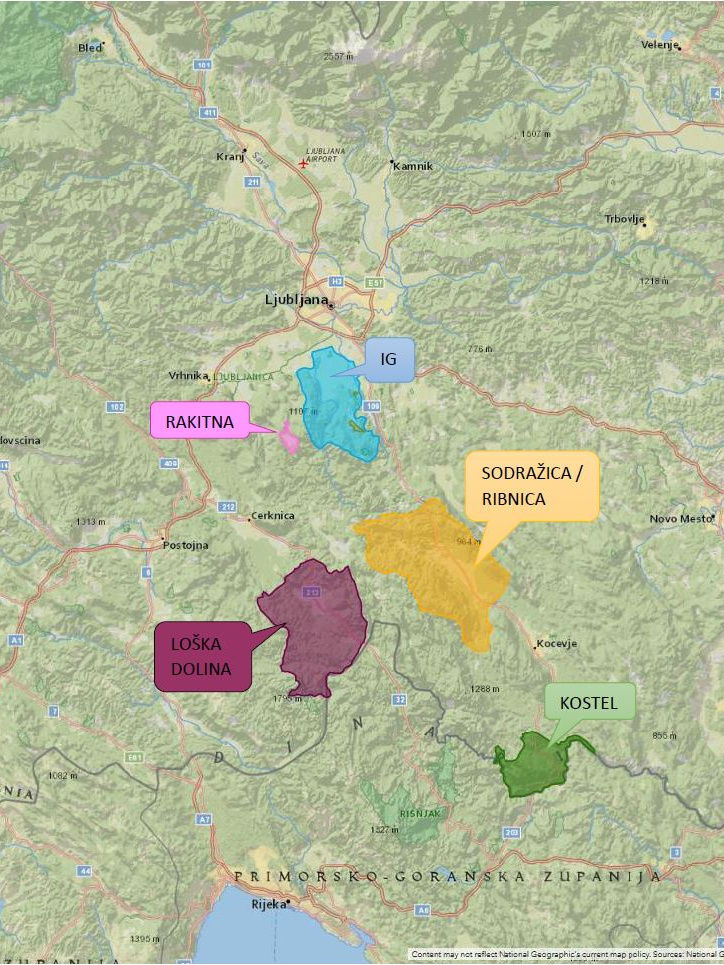
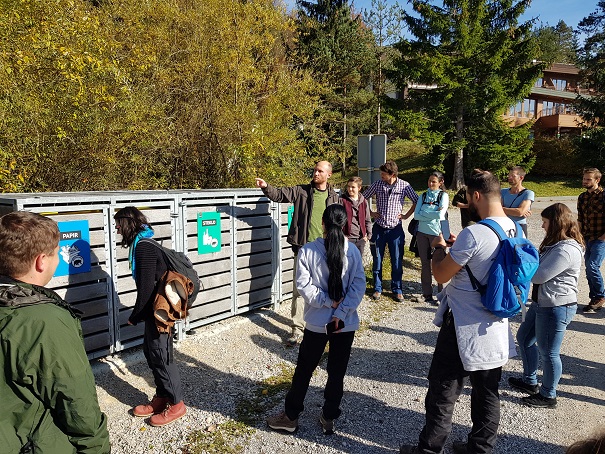
In this action we will upgrade or replace the most critical containers within the chosen conflict hot-spots in local rural communities in order to make them bear-proof.
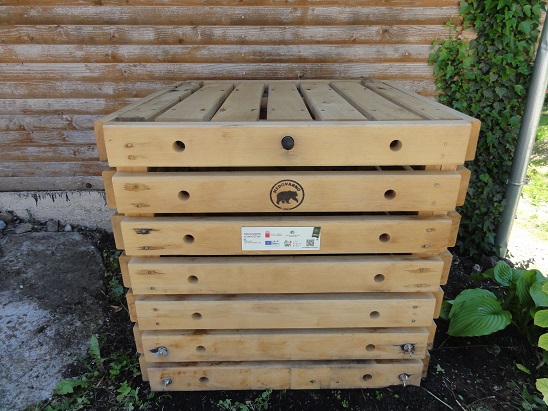
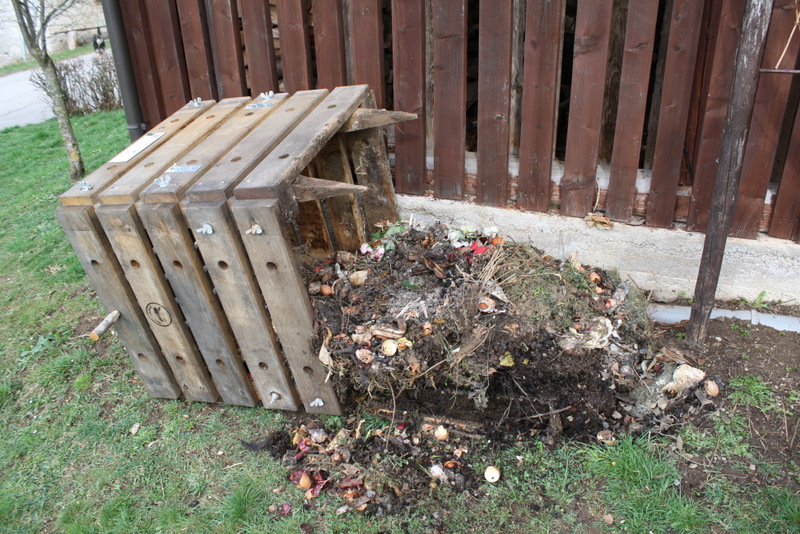
In rural Slovenia almost each house has a garden and a compost bin. All organic waste is often discarded on these compost bins and consequently they can become very attractive for bears. We will construct bear-proof organic bins and distribute them among chosen communities and households.
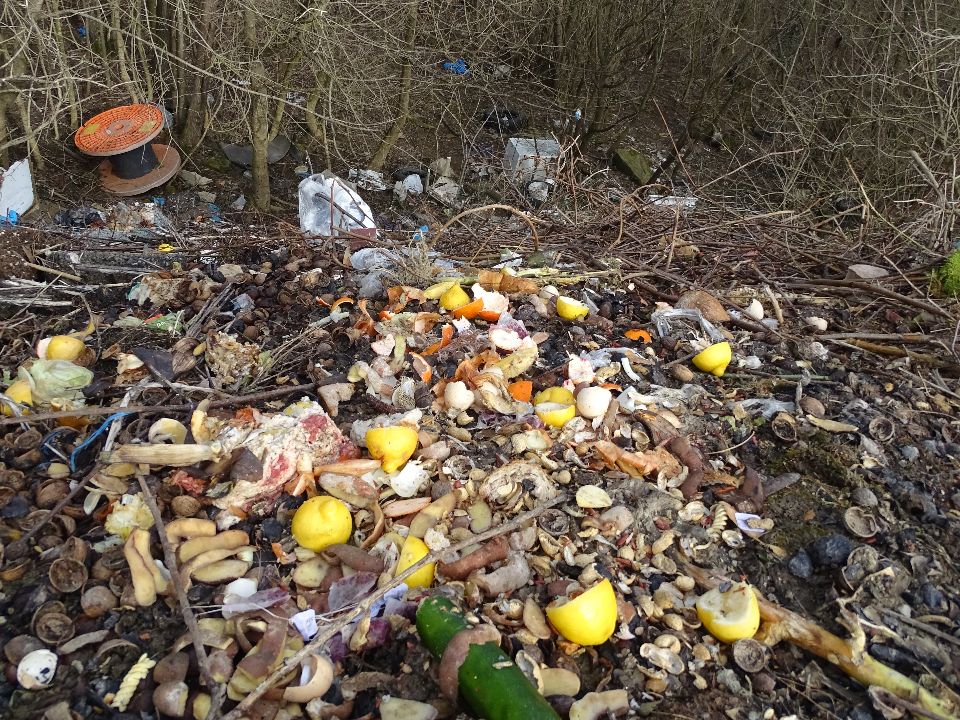
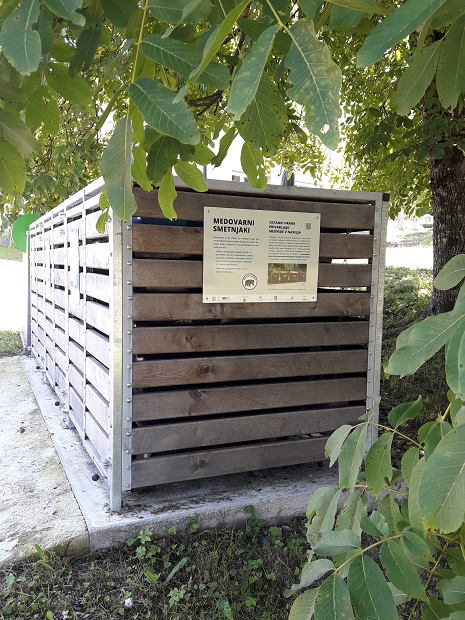
Beside garbage and compost bins, illegal rubbish dumps, especially in the vicinity of human settlements, are one of the most important attractants for bears. The problem is even greater because on such rubbish dumps people often dispose also slaughter remains, which have been shown to be especially attractive to bears. Locations of illegal rubbish dumps will be reported to the responsible inspection services and removed. We will also install protection for legal rubbish dumps to prevent access for bears.
Latest C.1 actions:
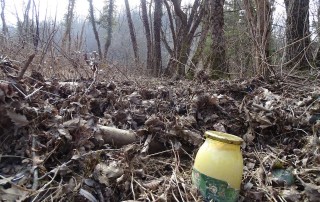
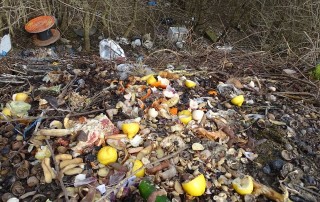
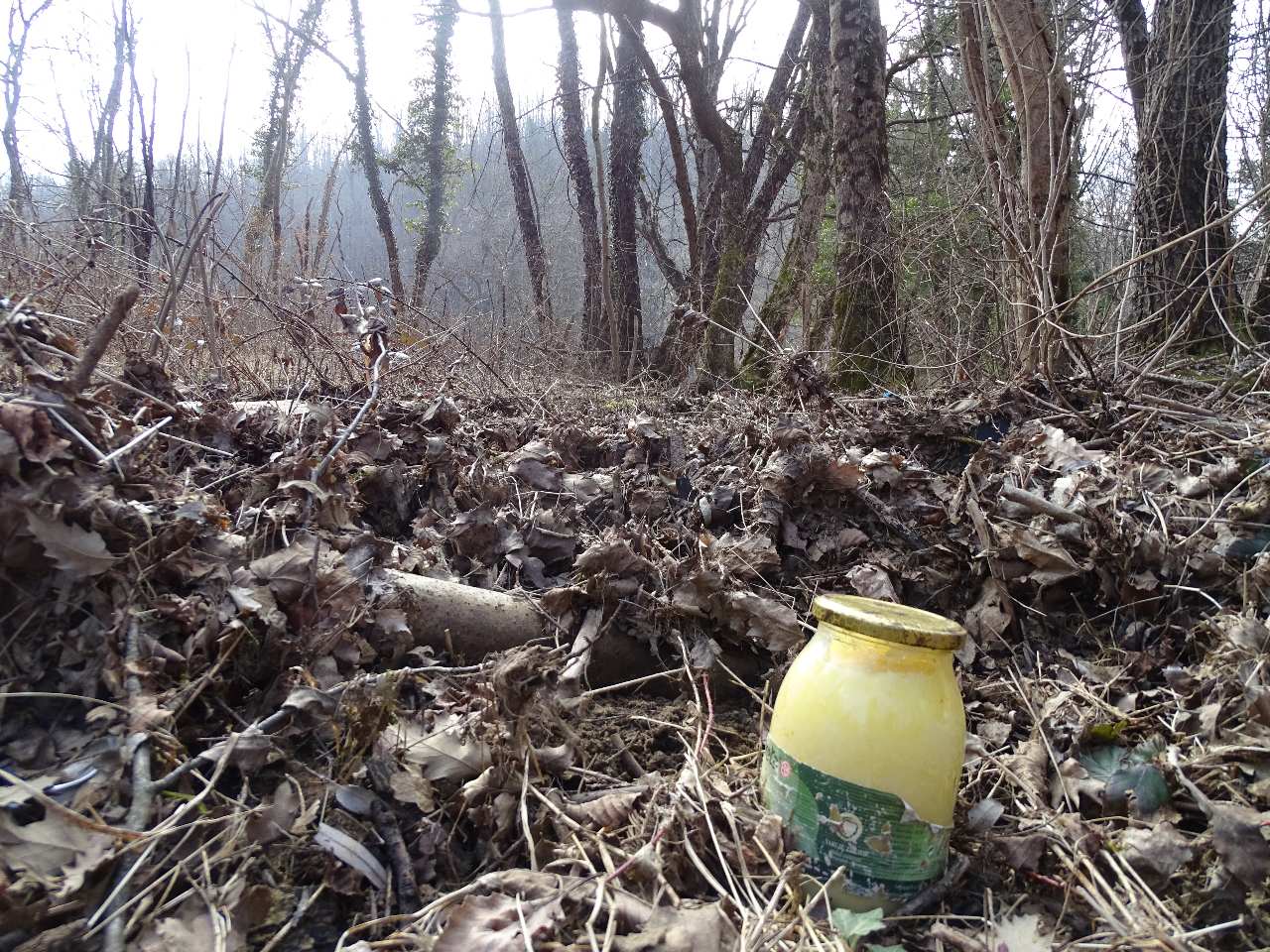
Illegal rubbish dumps detected with the help of telemetry
Within the C1 action, illegal rubbish dumps were detected, based on telemetry data of radio-collared bears, gathered in D1 action. [...]
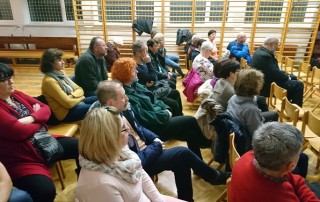
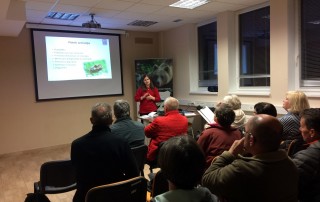
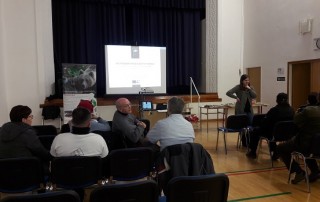
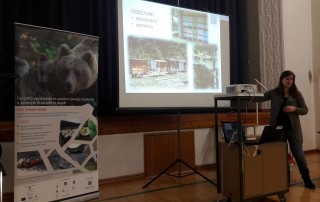
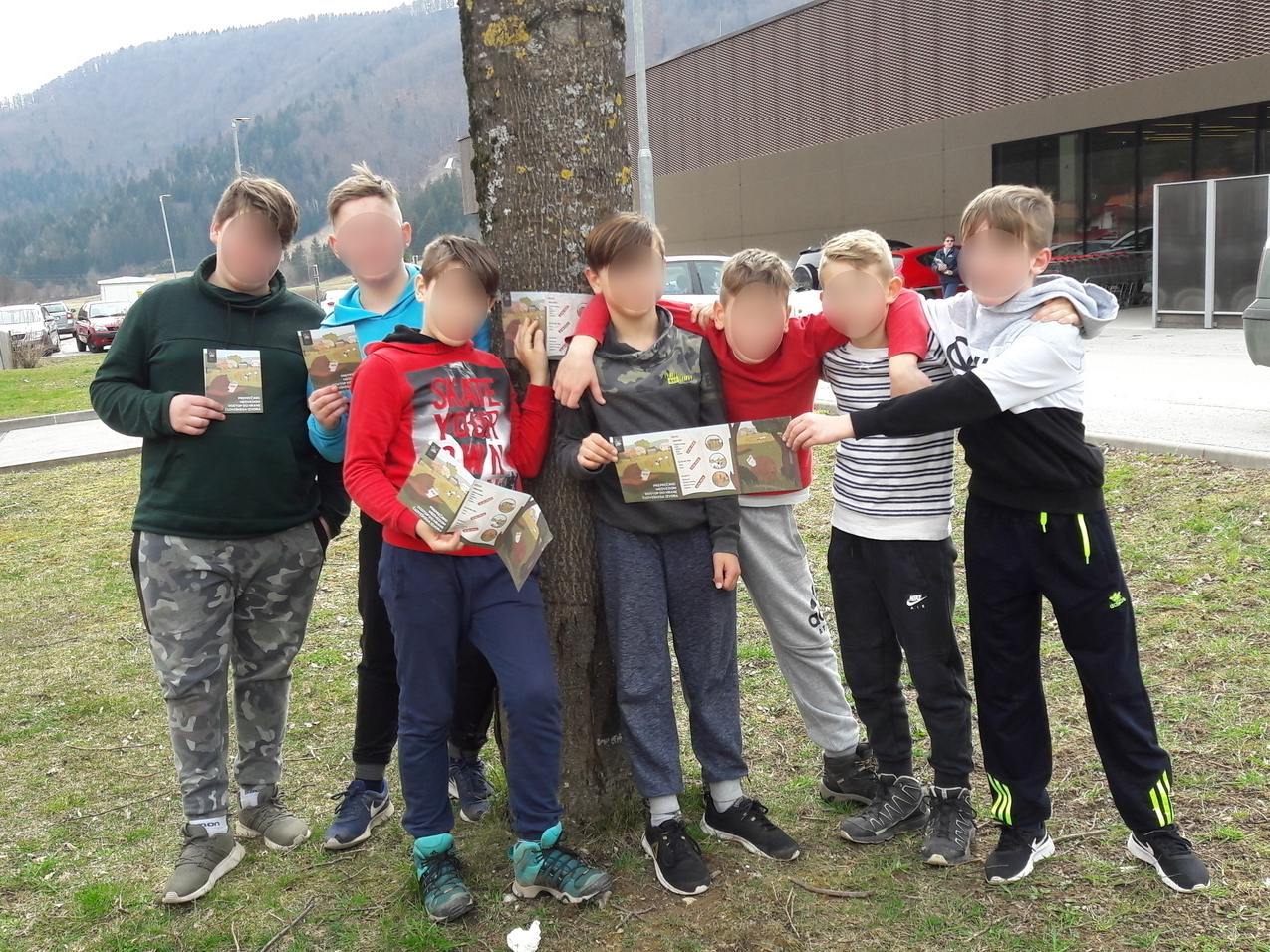
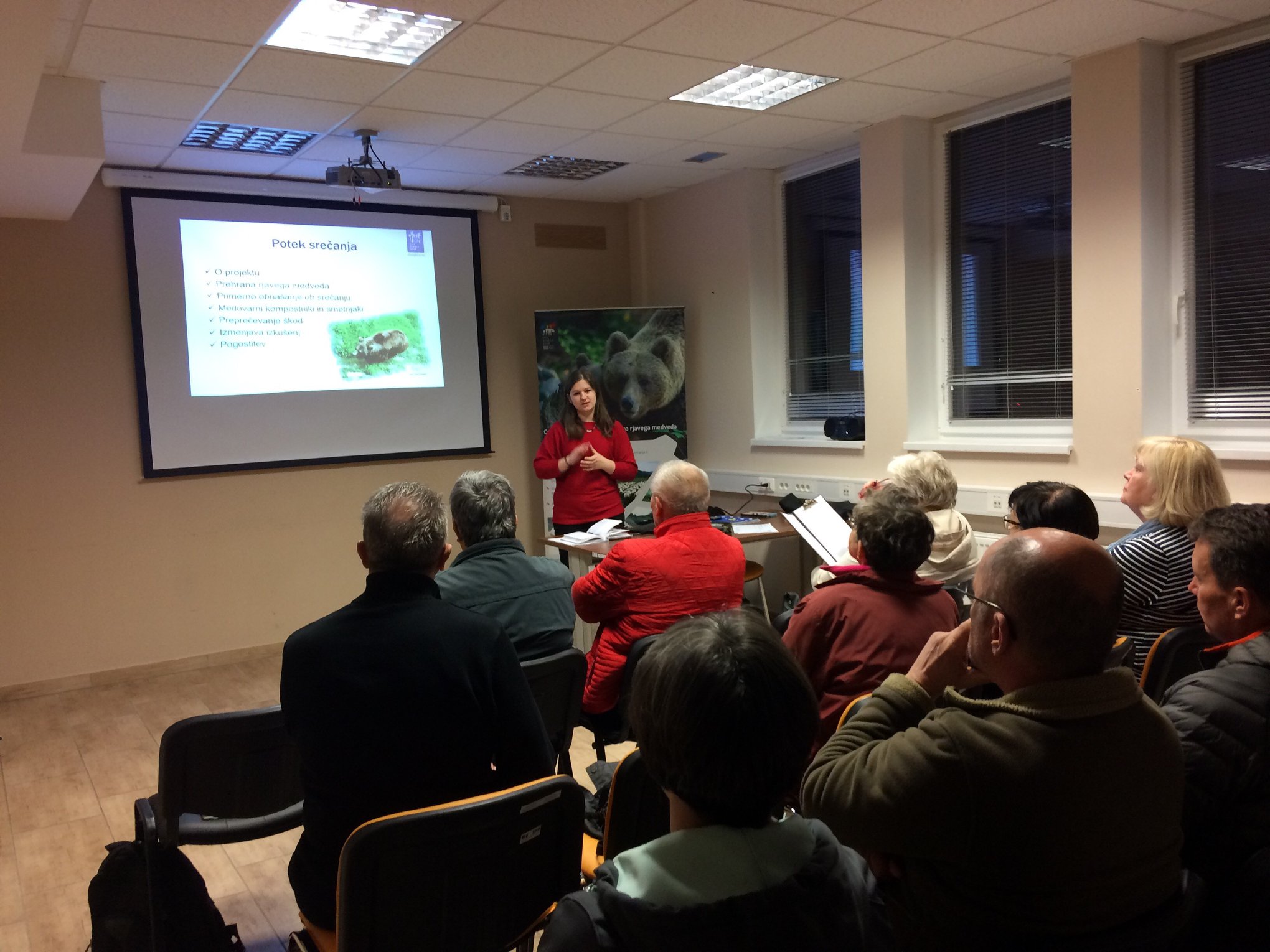
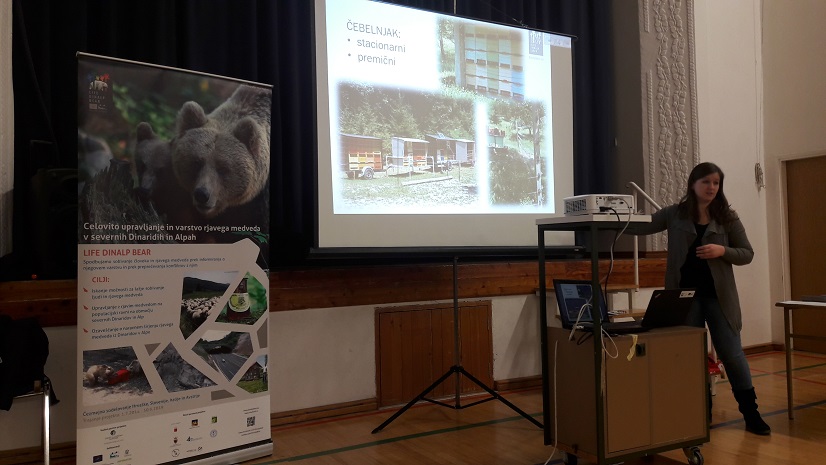
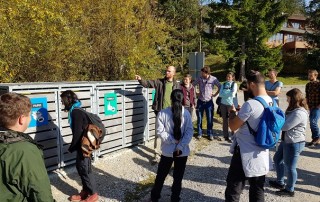
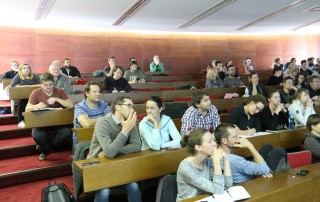
Workshops for local inhabitants on the »hot-spots«
Because of the constant need of raising awareness about proper and consistent use of prevention measures, namely bear-proof garbage- and [...]
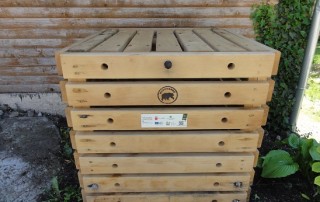
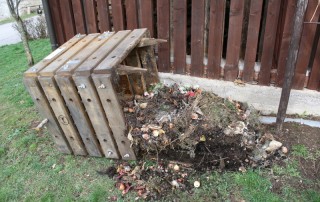
Bear-proof compost bins are fully effective, but proper anchoring is needed
The purpose of bear-proof compost bins is preventing bears from accessing anthropogenic organic remains and therefore from attracting bears to [...]
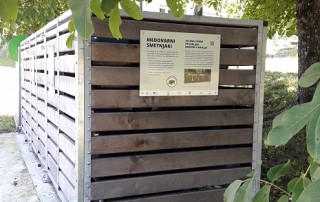
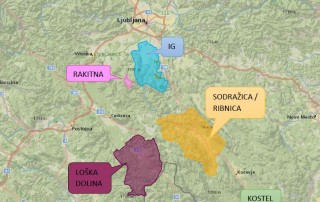
Cooperation with local experts on the hot-spots
On the »hot-spots«, areas, where bears wander near the human settlements most often, we started to locally address the problems [...]

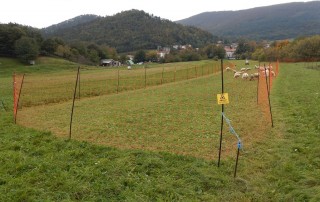
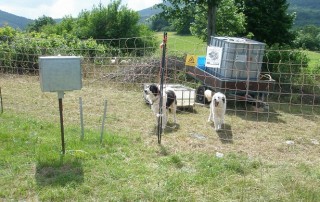
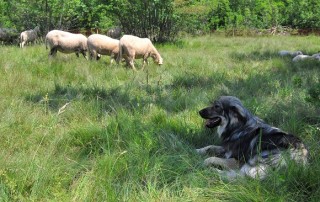
“Safe grazing” – website about the measures for protecting property
Within the LIFE DINALP BEAR project, the new website “Safe grazing” was established. The purpose of this website is to [...]
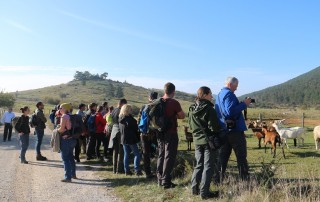

About protection measures with AGRIDEA from Switzerland
Coexistence between human and large carnivores is a challenge for numerous countries worldwide, which is being confronted in various ways. [...]